THE JOURNAL / COLOSSUS LUX
Nature Wall Art That Holds a Room at Full Scale
Nature wall art fails in a predictable way. The image looks fine on a screen, the print arrives, and at full size it goes soft, flat, or busy. The wall is large, the room is calm, and the artwork cannot carry either one. That is not a taste problem. It is a scale problem, and scale has to be decided before anything is printed.
Colossus Lux is the fine art practice of Vitor Lindo. The work is gigapixel photography, stitching hundreds of photographs into single images installed at architectural scale. Prints are planned in feet, not inches. That method matters most with nature subjects, because nature is full of fine detail that a small file cannot hold: grasses, water, bark, distant tree lines, and the small changes in light across a marsh at dawn.
This guide explains how to choose nature wall art that still works when it is six, eight, or twelve feet wide, and how to place it so the room feels settled rather than decorated.
Start with the wall, not the image
Most people start by browsing images. A better order is to measure first.
- Measure the full wall, then the furniture that will sit under or in front of it.
- Note the viewing distance. A hallway is read at three feet. A living room is read at ten.
- Note the light. Direct sun, soft north light, and warm evening lamps each change color and contrast.
- Decide what the room needs: quiet, depth, movement, or a clear focal point.
A wide, low wall over a sofa usually wants a horizontal image with a calm horizon. A tall entry wall wants vertical weight, or a single large piece that uses the height instead of floating in the middle of it. A spa or treatment room wants low contrast and slow detail, something the eye can move through without working.
Our sizing method is covered in more depth in the wall art size guide, and it applies to nature work in particular because a horizon placed too high or too low will change how the whole room feels.
A better order is to measure first.
Why resolution decides whether large nature wall art works
A nature photograph enlarged beyond what its file can support loses the very thing that made it worth printing. Leaves become texture without structure. Water becomes a smooth blur. Distance collapses.
Gigapixel capture solves this in a practical way. Hundreds of individual photographs are made in a careful grid and stitched into one image. The finished file holds detail across the entire frame, not only in the center. When that image is printed at large scale, a viewer can stand close and still find real information: the edge of a lily pad, the grain in a dune, the separate trunks in a distant stand of oaks.
That closeness matters. People walk past large work and sit beside it. If the detail fails at arm’s length, the piece reads as a backdrop. If the detail holds, it reads as a place.
When you compare nature photography prints from any source, ask three direct questions:
- What is the largest size this image has actually been printed at?
- Was the file made for that size, or enlarged to reach it?
- Can you see a full size detail sample, not only a small web preview?
Clear answers are a good sign. Vague answers usually mean the print will be the test.
Choosing a subject that suits the room
Not every strong landscape belongs in every interior. Subject, palette, and pace need to match how the room is used.
For living rooms, look for images with a clear structure: a horizon, a tree line, a path of light across water. The structure gives the room a resting point. Very busy subjects, such as dense forest detail with no open space, can work in a study or a library, but they often compete with furniture and people in a main sitting room.
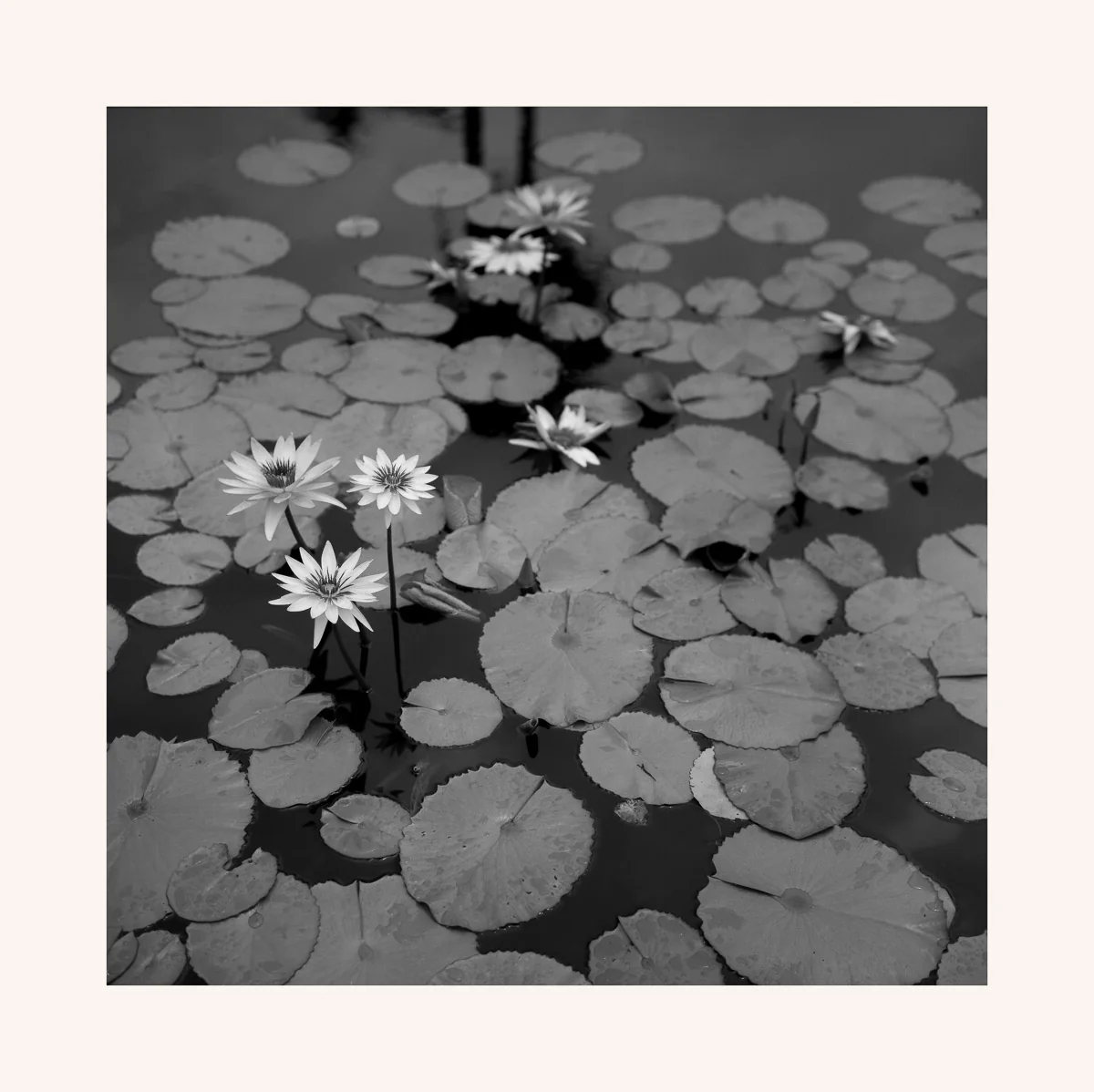
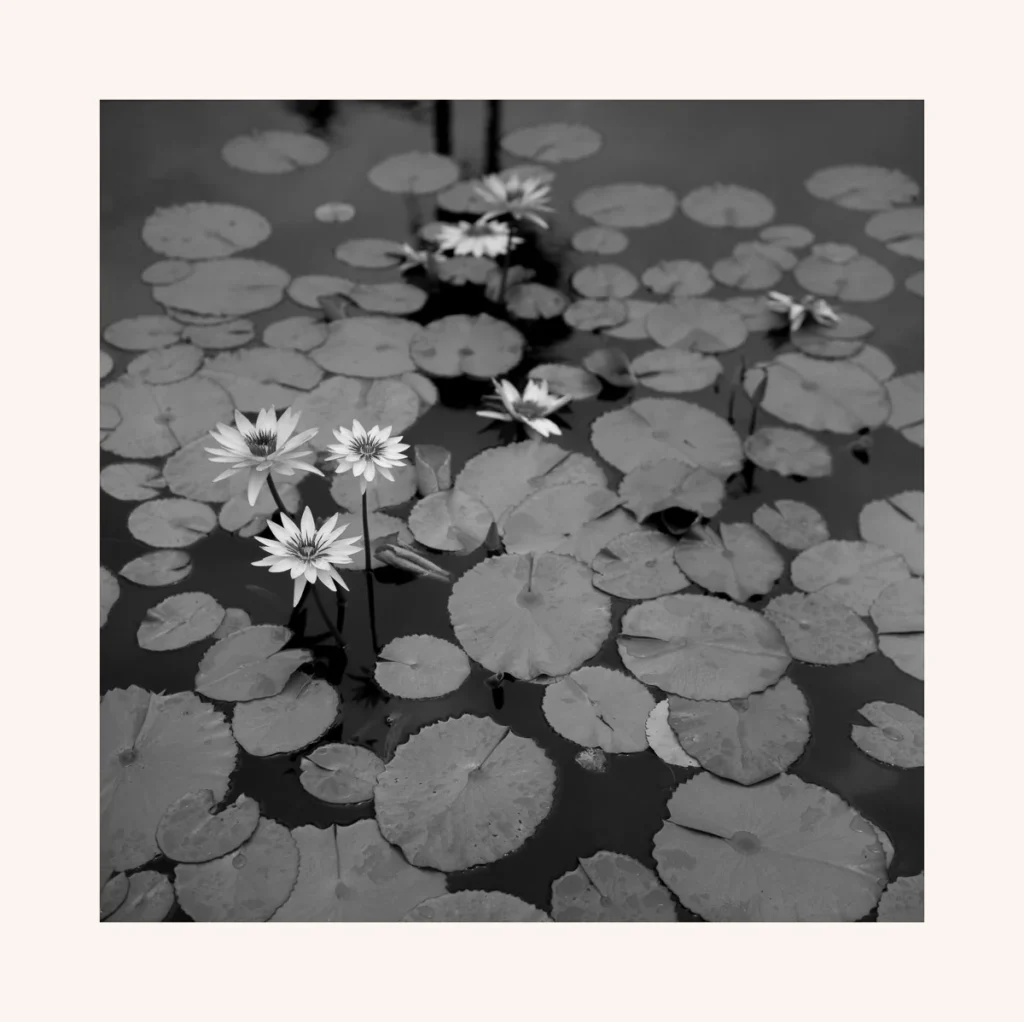
For bedrooms and spa wall art, lower contrast usually serves better. Waterlilies, still marsh water, soft dunes in early light, and blue hour shorelines hold attention without demanding it. These are subjects you can look at for a long time without the image getting louder.
For dining rooms and gathering spaces, a stronger sense of movement helps. Wind in grasses, changing tide lines, and cloud shadow moving across open ground give a room energy without adding pattern or bright color that will fight with food, wood, and conversation.
Color in nature work: work with what is already there
The most common mistake is matching artwork color too literally to a room. If the sofa is green and the art is chosen only because it is also green, the result often feels staged, and it dates quickly when soft furnishings change.
A steadier approach is to match temperature and depth, not individual swatches.
- Warm rooms with wood, brass, and warm white walls suit late light, grasses, and stone.
- Cool rooms with glass, pale stone, and blue grey fabrics suit water, marsh, and early morning subjects.
- Dark rooms need images with genuine light in them, or the wall will go heavier.
- Very bright rooms can take deeper, richer nature images that would overwhelm a smaller space.
Nature gives a wide range inside a single image. A marsh at first light holds green, gold, blue, and near black in the water. That range is why a well chosen landscape can sit comfortably with several furniture changes over the years. It was never matched to one cushion.
Framed, unframed, and large format decisions
Presentation changes how nature work is read.
A thin dark frame gives a large landscape a clear edge and works well in traditional and transitional interiors. A light wood frame softens the same image and suits coastal rooms. Frameless presentation on a rigid substrate keeps the focus on the image itself and is often the practical choice in commercial settings, where cleaning, glare, and durability are part of the decision.
Glare deserves honest attention. Before you commit to a finish, stand where the viewer will stand, at the time of day the room is used most, and note every window reflection. That five minute check prevents the most expensive disappointment in large work.
Where the Colossus Lux nature images come from
The Lowcountry work is photographed around Savannah and the Georgia coast: tidal marsh, live oaks, river edges, and shorelines in the first and last light of the day. You can see that body of work in the Lowcountry collection and in the account of photographing the coast at first light.
Working locally and returning to the same places across seasons is how a large file gets made. Gigapixel capture takes time on site, stable conditions, and patience with light that may not arrive on the first visit. The same marsh visited twelve times yields one image that can hold a twelve foot wall.
A simple order for choosing well
If you are starting from an empty wall, use this order:
- Measure the wall and set a target size in feet.
- Decide the job of the piece: quiet, depth, movement, or focal point.
- Choose two or three subjects that do that job in your light.
- Check the file, the finish, and a full size detail before you compare prices.
- Plan delivery, framing, and hanging before the print is made.
Followed in that order, the decision gets simpler at each step. Followed in reverse, with price and image first, almost every later step becomes a compromise.
Nature wall art at its best does not fill a gap on a wall. It gives a room a horizon and a place to rest the eye, and it will still do that work years after the furniture around it has changed.
Continue the conversation
If you have a wall in mind, in Metro Atlanta, Atlanta, or Savannah, and you would like help choosing a subject and a size for it, contact Colossus Lux to discuss their space. Bring the wall measurements and a photograph of the room in daylight. That is enough to start a useful conversation about what would actually work there.